
Catalyzing Community Action Against Neglected Tropical Diseases in Marib
Catalyzing Community Action Against Neglected Tropical Diseases in Marib
Catalyzing Community Action Against Neglected Tropical Diseases in Marib

Community Action Against NTDs in Marib
In Marib, IBICD is combining NTD awareness with local leadership: equipping community actors to understand neglected tropical diseases, communicate prevention messages and mobilize their own networks to reach underserved communities.
Why this matters
Neglected tropical diseases (NTDs) remain an important public health concern in communities where access to reliable health information, prevention messages and timely referral is limited. In Marib, these gaps are especially relevant in remote areas and displacement settings, where families may have fewer opportunities to receive structured health awareness. IBICD therefore chose to work not only on delivering information, but on strengthening the people and community initiatives that can continue carrying that information forward.
From knowledge to community-led prevention
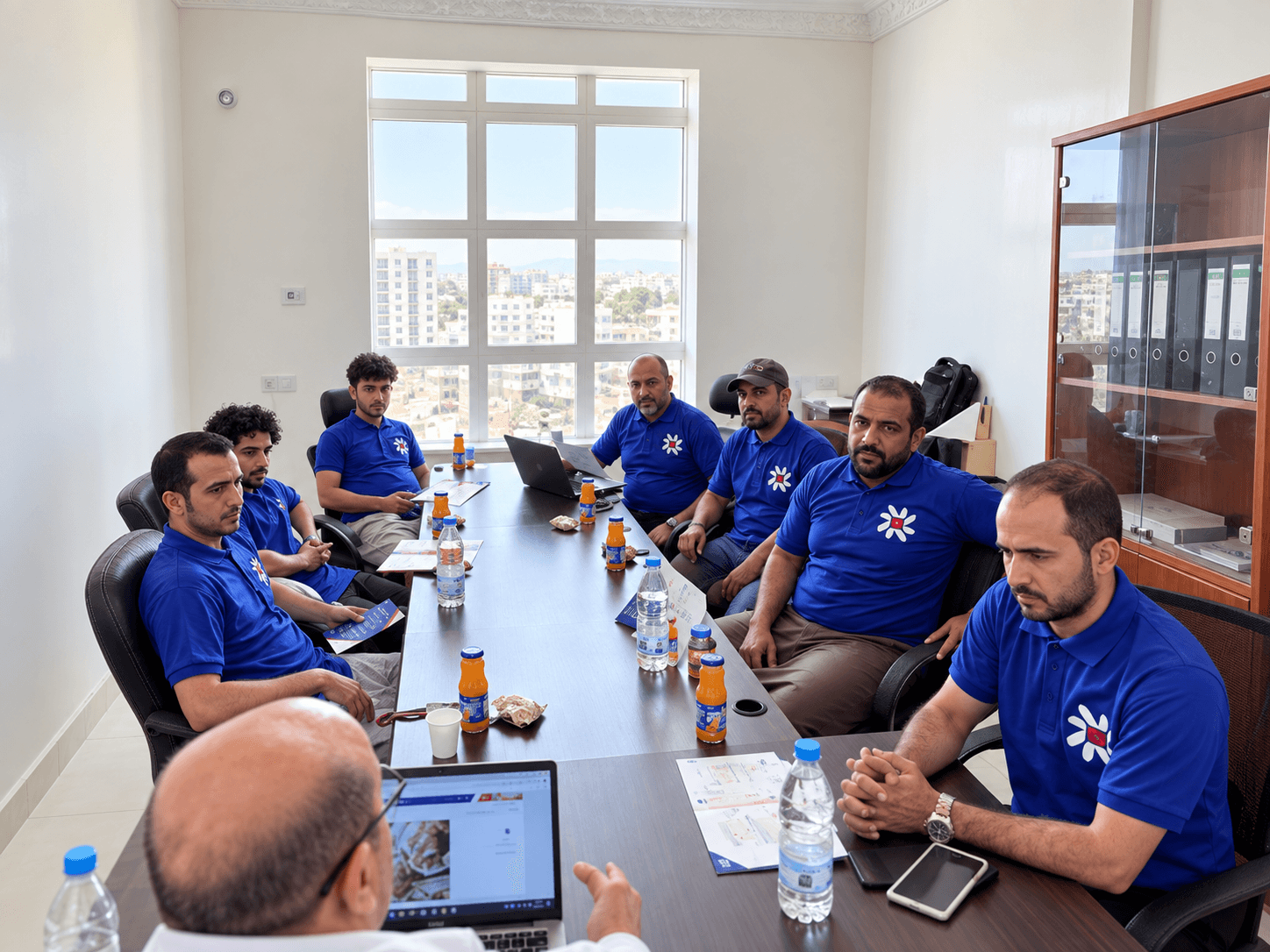
The central question was how NTD knowledge could be translated into action. Participants worked through approaches for simple, realistic awareness activities that can be delivered through their existing initiatives, volunteers and local networks. The aim is to make information understandable and usable at community level: explaining what NTDs are, how people can reduce exposure and risk, when health advice should be sought, and how misconceptions can be addressed through direct communication.
Creating a multiplier effect
Rather than measuring success only by the number of people in one meeting, IBICD deliberately invested in local actors who already have access to wider circles of influence. One equipped community leader can mobilize volunteers, organize an awareness activity and extend messages to many more households. This multiplier approach allows NTD awareness to move beyond a one-off session and become part of locally led community action.
From roundtable to sustained support and outreach
Through this initiative, IBICD is developing a practical model that combines NTD awareness, capacity building, community leadership and hard-to-reach outreach. The objective is to strengthen local ownership so that communities are not only recipients of health messages, but active partners in preventing neglected tropical diseases and expanding access to reliable information.
A model for sustained local action
Through this initiative, IBICD is developing a practical model that combines NTD awareness, capacity building, community leadership and hard-to-reach outreach. The objective is to strengthen local ownership so that communities are not only recipients of health messages, but active partners in preventing neglected tropical diseases and expanding access to reliable information.
Community Action Against NTDs in Marib
In Marib, IBICD is combining NTD awareness with local leadership: equipping community actors to understand neglected tropical diseases, communicate prevention messages and mobilize their own networks to reach underserved communities.
Why this matters
Neglected tropical diseases (NTDs) remain an important public health concern in communities where access to reliable health information, prevention messages and timely referral is limited. In Marib, these gaps are especially relevant in remote areas and displacement settings, where families may have fewer opportunities to receive structured health awareness. IBICD therefore chose to work not only on delivering information, but on strengthening the people and community initiatives that can continue carrying that information forward.
From knowledge to community-led prevention
The central question was how NTD knowledge could be translated into action. Participants worked through approaches for simple, realistic awareness activities that can be delivered through their existing initiatives, volunteers and local networks. The aim is to make information understandable and usable at community level: explaining what NTDs are, how people can reduce exposure and risk, when health advice should be sought, and how misconceptions can be addressed through direct communication.
Creating a multiplier effect
Rather than measuring success only by the number of people in one meeting, IBICD deliberately invested in local actors who already have access to wider circles of influence. One equipped community leader can mobilize volunteers, organize an awareness activity and extend messages to many more households. This multiplier approach allows NTD awareness to move beyond a one-off session and become part of locally led community action.
From roundtable to sustained support and outreach
Through this initiative, IBICD is developing a practical model that combines NTD awareness, capacity building, community leadership and hard-to-reach outreach. The objective is to strengthen local ownership so that communities are not only recipients of health messages, but active partners in preventing neglected tropical diseases and expanding access to reliable information.
A model for sustained local action
Through this initiative, IBICD is developing a practical model that combines NTD awareness, capacity building, community leadership and hard-to-reach outreach. The objective is to strengthen local ownership so that communities are not only recipients of health messages, but active partners in preventing neglected tropical diseases and expanding access to reliable information.
Related Blog
Related Blog
Related Blog


October 9, 2026
October 9, 2026
October 9, 2026

July 1, 2026
July 1, 2026
July 1, 2026